
Sometimes your dog is not “being bad.” Sometimes your dog is running a full excavation business in your backyard because, in their mind,
they have a very good reason.
Maybe they are bored. Maybe they are hot. Maybe they are hunting something underground. Maybe they are under-stimulated,
over-energized, stressed, frustrated, or wildly impressed with your fresh landscaping choices.
And that is the first big truth: digging is not one behavior with one fix. It is one symptom with a bunch of possible causes.
If you attack the hole and ignore the reason, your dog will usually just find a new spot, a new hobby, or a new way to annoy you with equal enthusiasm.
Digging often pays the dog in some way: fun, relief, cooler dirt, prey, novelty, scent, or a release valve for stress and energy. The fastest real fix is not random backyard wizardry. It is reading why the dog is digging, reducing rehearsal, and giving the dog a better plan.
OPTIONAL IMAGE BLOCK
Replace this area with a wide 16:9 image if you want.
Example ideas: dog digging in fresh soil, dog in sandbox dig pit, shaded yard cooling station, terrier mid-excavation.
Before you fix digging, you need to read it correctly. This is not one problem with one universal answer.
For some dogs, digging is fun, stimulating, rewarding, and weirdly satisfying. It is basically canine bubble wrap.
The dirt underneath the surface is often cooler than the top layer, especially in shade. Hot dogs dig cool holes.
Moles, grubs, bugs, rodents, lizards, smells, roots, mystery. To some dogs, your yard is an active investigation.
A bored dog with free yard access and no job often invents one. Digging is one of the more popular career paths.
Separation distress, frustration, isolation, or chronic stress can all show up as repetitive digging.
Terriers, Dachshunds, Northern breeds, and other working dogs often come preloaded with stronger digging instincts.
Look at where, when, and how your dog digs.
Think heat, cooling, comfort, shade, and access to cooler surfaces.
Think escape, frustration, barrier behavior, or reaching something outside the yard.
Think pests, prey, odor, buried interest, roots, or mystery under the soil.
Think loose soil, novelty, scent, and a giant engraved invitation from your yard.
Think boredom, under-stimulation, stress, or separation-related issues.
Think excitement, arousal, frustration, or a release valve for overloaded energy.
OPTIONAL IMAGE BLOCK
Great place for a comparison photo:
fence-line digging, shaded cooling hole, pest-hunting hole, or garden-bed digging.
Before you start gadgets, deterrents, lectures, or backyard engineering projects, start here.
If your dog rehearses digging every single day, the habit gets stronger every single day.
If the dog is outside unsupervised for long stretches, the behavior is self-rewarding for free.
Not just “opened the back door and hoped for cardio.” Actual walking, actual movement, actual sniffing.
Food toys, chew outlets, sniff games, short training sessions, legal shredding, problem solving.
For many dogs, especially natural diggers, this is one of the smartest things you can do. You are not saying “never dig again.” You are saying “you can dig here, not there.”
OPTIONAL IMAGE BLOCK
Perfect place for a dig-pit / sandbox / designated digging-zone photo.
Sometimes behavior change starts with making the wrong choice harder and the right choice easier.
That matters. A dog who rehearses digging for 45 minutes while you are inside making eggs is not “sort of digging.” That dog is in graduate school.
A lot of backyard digging is underemployment in a fur coat.
A tired dog is nice.
A mentally satisfied dog is usually nicer.
If your dog digs in warm weather, especially in shaded corners, under bushes, near the house, or under decks, do not miss the obvious.
If your dog keeps digging in the same spot with intense focus, assume there may be something under there.
Fresh sod, mulch, loose soil, new irrigation, planted trees, and garden beds are basically a theme park for noses.
OPTIONAL IMAGE BLOCK
Good spot for shade setup, dog pool, cooling station, or fresh-landscaping management photo.
Here is where we clean up the old-school internet nonsense a little.
Even though digging is often self-rewarding, obedience and household structure still matter.
If your dog starts loading into dig mode and you have no interruption language, no redirection habit, and no place cue, you are basically yelling into the wind.
If the dog digs mostly when left alone, at fences, doors, or gates, with frantic energy, alongside whining, barking, pacing, or escape attempts, you may not have a yard problem. You may have a stress problem.
Heat, pests, boredom, stress, loose soil, breed, comfort, escape, or under-stimulation. Read the pattern first.
Less unsupervised practice. More management. More structure.
Make the dog’s day fuller so the yard does not become the main event.
Give natural diggers somewhere safe and sanctioned to do the thing they already love doing.
Garden beds, soft corners, fence lines, hot spots, and fresh landscaping should not stay easy to access.
If one of those is driving the behavior, deal with the driver — not just the dirt.
Leave it. This way. Place. Let’s go. Give yourself steering.
You are not just filling holes. You are changing a habit loop.
Short-term deterrents can help. Barriers can help. Management can help. A legal dig zone can help a lot. Exercise and enrichment matter more than people want them to. Shade and comfort matter more than people think. And cause matters more than all of it.
Use this to stop guessing. Track where the digging happens, when it happens, what the weather was like, what was happening in the yard, and what intervention you used.
| Date | Location | Time / Weather | What Was Happening? | Likely Cause | What I Did |
|---|---|---|---|---|---|
| ____/____/____ | ____________ | ____________ | ____________ | ____________ | ____________ |
| ____/____/____ | ____________ | ____________ | ____________ | ____________ | ____________ |
| ____/____/____ | ____________ | ____________ | ____________ | ____________ | ____________ |
| ____/____/____ | ____________ | ____________ | ____________ | ____________ | ____________ |
| ____/____/____ | ____________ | ____________ | ____________ | ____________ | ____________ |
| ____/____/____ | ____________ | ____________ | ____________ | ____________ | ____________ |
Let’s dig into the real dirt here: digging is merely the tip of the behavioral iceberg, my dear Watson. Before you expect Rover to kick the habit, you’ve got to address the root cause.
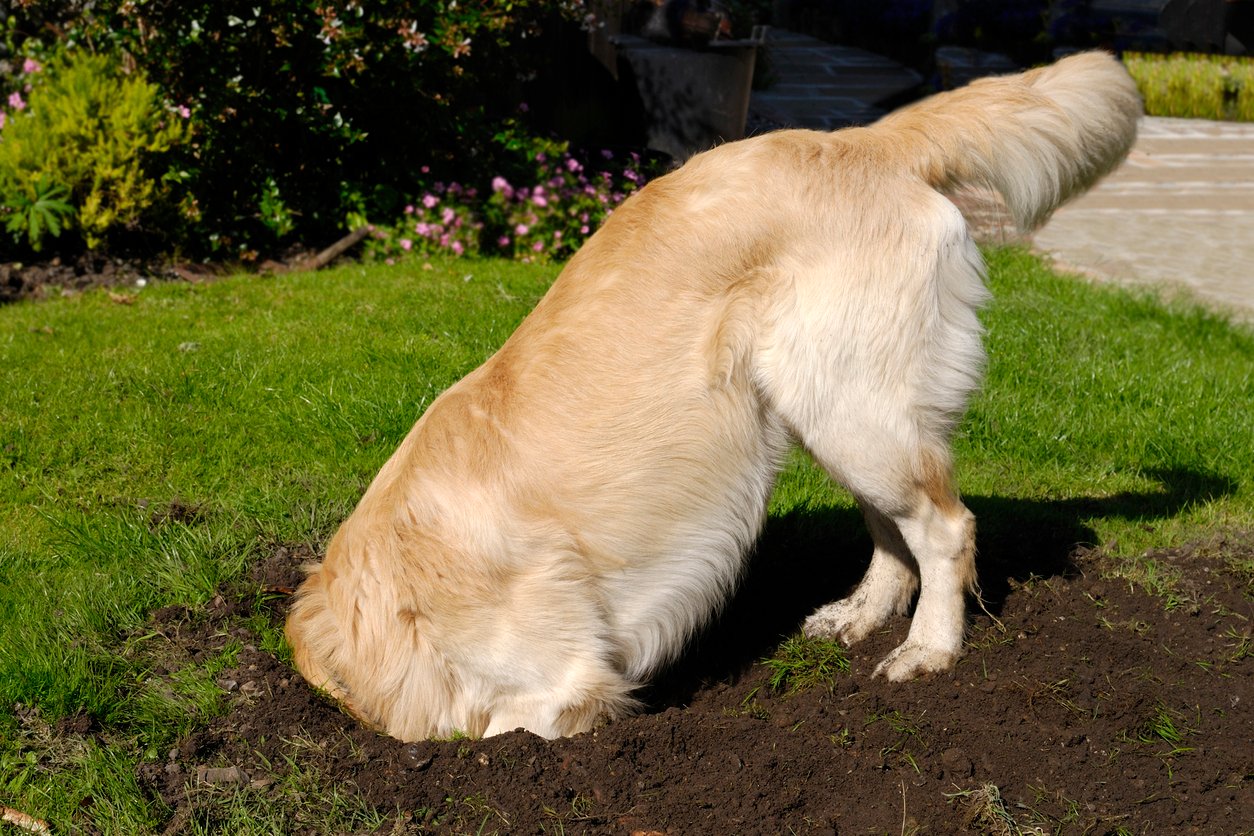
It’s like your pup thinks they’re auditioning for a canine remake of Apollo 11, isn’t it? Ah, the classic sight of your dog’s noggin buried in a dirt hole, butt proudly skyward, generously showering dirt in all directions. Not only is this holey landscape aesthetically displeasing, but when rain arrives, it turns into a mud wrestling arena.
So, how do you keep your determined digger from transforming your yard into a pockmarked battlefield? Fear not; we’ve got the answer.
We conducted a grand survey of over 500 dog aficionados, even called in an animal behaviorist for some expert insights, and together, we’ve concocted a splendid list of 20 plus tips to thwart your four-legged earthmover. By the time you reach the finish line, you’ll be the proud owner of a yard that remains unscathed by your furry little excavator.
Let’s kick things off with some immediate solutions to quell your dog’s archaeological aspirations. Later on, we’ll delve into the root causes of this crater-creating frenzy and discover how to craft a long-term solution. So, let the anti-digging adventure commence!
Ever wondered if your furry friend has a secret ambition to become an architect of chaos in your backyard? Ask any dog owner, anywhere in the world, and they’ll likely have a tale of their canine companion’s excavation escapades. They say, “Yes, my dog has a thing for creating a lunar landscape out of my once-pristine lawn.” So, how do we deal with this furry earth-moving maestro?
Most people simply grab a shovel and fill in those doggy craters, inadvertently becoming part of the “Clean-Up Crew” after every canine construction project. But here’s the kicker: that doesn’t teach our four-legged friends a thing. It’s like cleaning up their mess, but they’re not getting the memo. Often, it’s just your puppy being a puppy, sculpting away with boundless enthusiasm.
Yet, sometimes, the puppy persona sticks around, and now you’ve got a three-year-old canine with a highly annoying hobby. Why do they do it? Boredom, pent-up energy, or some primal instinct—they’re all possibilities.
But fear not! There’s a simple and timeless technique, a classic solution that’s been dog-approved for decades. Can you guess what it is? Drumroll, please! It’s… their own poop! I know, it sounds bizarre, but don’t knock it till you’ve tried it. Trust me; your laughter might just turn into a victory dance. Let’s break it down, shall we?
So, start a little stockpile, preferably in a bag or bin to avoid attracting flies and creating a stink. This magical weapon is your secret to eradicating their naughty habit. You’ll also need a yard with holes, as the training happens post-digging.
Step 1: Find every hole they’ve crafted. These holes are like their personal art projects, something they constantly revisit and improve upon. So, once you’ve got your list of excavation sites, it’s time to make the magic happen.
Step 2: Place a piece of their poop at the bottom of every hole. Yes, you heard it right.
Step 3: Gently cover each hole with an inch or two of dirt. This creates a camouflage effect, making it more of a surprise for your dog.
Now, the grand finale: let your furry friend back into the yard and enjoy the show. Many dogs will start digging at a hole, blissfully unaware of the “surprise” underneath. When they encounter the poop, they’ll quickly reconsider their chosen profession.
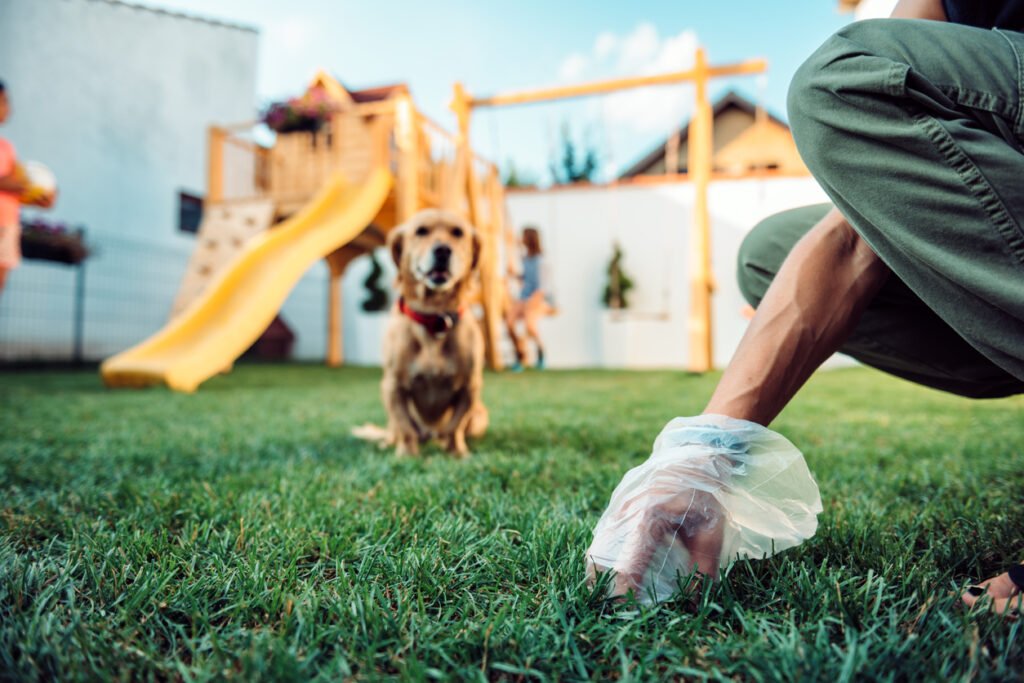
As your dog continues to explore, they’ll stumble upon more “surprises.” It takes them a while to catch on, but the poop does its job. You can sit back and watch from your kitchen window as their habit gets turned upside down.
Now, if some crafty canines decide to start fresh holes, don’t fret. Simply repeat the process. You’ve essentially transformed their game into your game. Dogs learn by trial and error, so once they realize that digging yields unpleasant discoveries, they’ll throw in the towel. Most dogs catch on within a week, but consistency is key. Don’t let them dig for too long or start new holes. The faster you can introduce the “magic ingredient,” the sooner your yard will be hole-free.
In the end, it’s a simple process with some seriously impressive results. Just a friendly reminder, though: before letting your dog back inside, do check their paws. And there you have it, a pawsitively brilliant solution. Give it a shot and let me know how it goes. Woof! 🐾
Do you have a dog with a penchant for digging holes deeper than your patience? Meet Carol’s Basset Hound, Droopy. Droopy was a digger on a mission to reach the Earth’s core but also happened to be a certified scaredy-cat when it came to loud noises. Thunder and fireworks sent him running for the hills. So, Carol, being the clever dog parent that she is, decided to use balloons to deter Droopy from his subterranean endeavors.
Here’s the genius plan:
Inflate a balloon and place it right in your dog’s precious digging spot. Cover it with just enough dirt to keep it in place. As your fur baby begins excavating, those sharp nails of theirs will pop the balloon with a bang that’ll rival the Fourth of July.
The result? Your dog high-tailing it out of there faster than a squirrel being chased by a cheetah. Just a heads-up, it might take a few rounds of “pop goes the weasel” before your pup truly comprehends that the loud bang means business. For Droopy, it took four tries. And one last tip, be sure to pick up those balloon scraps afterward; nobody wants a dog with a rubbery snack fetish!
Ever dream of telling your dog to stop digging, and they actually listen? It’s not just a fantasy; it’s a trainable reality. Start with basics like “LEAVE IT!” or “sit and stay.”
But here’s the real star of the show: “place.” With this magic word, you can command your furry friend to return to their den, doghouse (yes a dog house in the yard covers a multitude of sins or a dog run, place or crate, which is fantastic because it gets them far, far away from their potential excavation site.)
We all lead busy lives, but there’s no excuse for letting your dog turn your yard into a construction site. Take a moment to ponder this: have you ever noticed that when you take your dog for a stroll, they spend an eternity sniffing around? Well, that’s because dogs thrive on new scents.
They dig to unearth these novel smells. The solution? A daily dose of adventure – a long walk, brimming with those aromatic wonders. When your pup knows they’ll get their daily sniffy fix, they’re less likely to go crazy with digging. These leisurely strolls, sometimes known as “sniffy walks,” are a win-win. Don’t rush; give your four-legged friend the freedom to savor the aroma. If time isn’t on your side, consider hiring a dog walker. Your lawn will thank you !
Some dogs dig because they’re bored out of their furry minds. Next time you catch your dog with dirt on their paws, divert their attention with a game of fetch, a shiny new toy, a dazzling trick, or perhaps the ultimate weapon: treats!
If your dog doesn’t return to their excavation project after the distraction, it’s a clear sign that entertainment is their game. In that case, it’s time to brainstorm ways to make your yard a canine carnival. Top of the list: stock up on doggy toys!
You wouldn’t want to be stuck in a yard all day with nothing to do, and neither does your dog. Instead of letting them resort to landscaping, become their source of entertainment. Enter dog toys! But not just any toys – think solo-play delights.
These gems are called “interactive dog toys.” You’ll find treat-dispensing balls, tether-tugs, and automatic ball throwers in the lineup. One standout is the Babble Ball, a battery-operated ball that talks to your dog as they push it around. Chew toys are another winner, providing hours of gnawing delight.
If you’re on the hunt for more canine amusement check out nose work for dogs on the internet.
However, a word of caution: research your choice of prickly plants carefully. Some can be toxic to dogs. You’re trying to stop the digging, not launch a canine emergency room visit!
Utilize Unpleasant Odors to Deter Digging Ever observe how your dog sniffs the ground as they dig? You can use this natural behavior to discourage your furry digger.
The most effective smell we tested for deterring digging is cayenne red pepper. Sprinkle a small amount of this pepper powder where your dog is digging, and upon smelling it, they will avoid the area.
When inhaled, the red pepper will irritate your dog’s nostrils, leading to reactions like snorting, head-shaking, or running away. Most dogs find this discomfort not worth the digging, but don’t worry, it’s temporary and harmless. You likely have a bottle of red cayenne pepper in your pantry, especially if you enjoy spicy food.
However, if your dog is a frequent digger, the small jar may not be sufficient. In such cases, I recommend buying in bulk – 6 pounds should be more than enough for most yards.
Please note that you’ll need to reapply the cayenne pepper after it gets wet, as rain, dew, or water from your sprinkler system can wash it away. Other scents that may deter your dog from digging include citrus fruits (oranges, lemons, grapefruit), coffee grounds, citronella essential oil, or even burying your dog’s waste where they dig.
Some of my clients have even reported success with anti-chew sprays. However, be aware that these scents are generally less aggressive than red cayenne and may not deter a determined digger effectively.
You can do this by fencing off the area. The exact method will depend on your yard. For lawn areas, you can attach patio fencing to posts with zip ties, effectively sectioning off the yard.
Another option is using an outdoor baby gate to block access to your porch steps, preventing your dog from reaching the grass below. Fencing is a popular choice for keeping dogs from digging in vegetable gardens and flower beds.
When selecting a fencing solution, consider your dog’s breed and its ability to jump. Smaller fences may suffice to keep out breeds like pugs, while more athletic dogs, such as German Shepherds, may require taller fences.
When in doubt, opt for the tallest fence possible, as it might take some creativity to effectively fence off your yard, but the results are worth it. Your pup won’t be able to access their favorite digging spot.
Establish a Physical Digging Barrier Imagine creating an underground barrier that prevents your dog from digging. It’s possible with a roll of chicken wire and a few hours of work. Chicken wire is typically used to keep chickens out of vegetable gardens, but it’s just as effective for dogs.
Unroll the chicken wire and lay it flat, securing it in place. This creates a horizontal barrier that your dog can’t dig through. If you’re concerned about the appearance, you can cover it with a thin layer of soil.
When your dog attempts to dig, their paws will scrape against the chicken wire, preventing them from scratching up the soil underneath. Even the most persistent digger will eventually give up. However, it’s essential to be cautious with metal chicken wire, as it can have sharp edges, particularly if it rusts. If your dog scrapes their foot on the wire while digging, it can injure their paw pads.
That’s why I prefer to use plastic poultry fencing, as it’s affordable, durable, and safe for your pup’s paws.
Why, you ask? Well, it’s because dogs possess an unparalleled talent for detecting scents that elude us mere humans. They’re like canine detectives on a relentless quest for olfactory treasures.
Your garden, the status quo of scents, has become predictable to your dog. A bit dull, one might say. Yet, fear not! You can inject a dose of thrill into your pup’s life by meddling with your backyard. Yes, when you decide to upgrade your outdoor abode, you’re essentially giving your dog a VIP pass to a scent carnival.
Let’s say you plant a new tree. Don’t be shocked to find your terrier unearthing its roots in the name of olfactory investigation. Even when you roll out fresh sod (grass turf), your dog will gleefully embark on an underground exploration. And those newly installed sprinkler heads and irrigation systems? They’re fair game for your inquisitive canine companion.
But it’s not just the additions to your yard that entice your pup’s inner archaeologist. Preparing a garden bed for flowers or vegetables is a surefire way to spark a digging frenzy. Freshly tilled soil, you see, is like a treasure chest of unearthed aromas, previously concealed beneath the earth’s surface.
These scents are now out in the open, and your dog simply can’t resist the urge to dig them up. Not to mention the irresistible allure of worms and bugs that emerge from their hiding spots – chasing these critters is a dog’s idea of a grand adventure!
Here’s a rather morbid twist: some poor souls have recounted tales of their beloved canine companions unearthing dearly departed feline friends buried in the backyard. And what did they do next? Well, they decided to conduct an impromptu exhumation! To your dog, the scent of deceased animals is like a gourmet meal.
Now, if your dog only digs when you introduce novelties to your yard, fret not, for the solution is quite simple. Erect a fence around the area in question, and you can rest assured that your freshly minted flower garden won’t fall victim to your dog’s archaeological endeavors.
Summer’s great and all, but let’s be real, the heat can be the devil’s own breath. And if you were draped in fur, you’d probably feel like you’re sizzling on a barbecue. Hot weather is a recipe for canine discomfort, especially for those with fur thicker than a winter coat.
Huskies, Golden Retrievers, and Border Collies – they’re all on the list of potential hot dog candidates.
But here’s the genius part: dogs have a built-in solution for cooling down – digging a hole. You see, the earth beneath your grass hasn’t been slow-roasted by the sun. In fact, it’s like a natural cooler, about 10-15°F cooler than the scorched surface. And if you can find a patch of soil in the shade, like behind a bush or close to a building, it’s even cooler.
So when your pup’s panting and breaking ground, it’s not a cry for help; it’s a plea for a spa day. Take them to a pet resort or make one in the yard! Doggy Day Care is always an option for bored, hot dogs.
Now, you’ve got options. If it’s hotter than Hades out there, the easiest fix is to bring your dog inside, where the air conditioning reigns supreme. But if indoor chilling isn’t in the cards, you can become your pup’s personal architect.
Set up a tarp between two trees or pop open an umbrella to cast some shade. And for those of you who want to go above and beyond, a doggie pool could be the cherry on top.
I’ve heard it’s doggone amazing. My old black Labrador Molly practically lives in hers during the summer, tail wagging like a flag in a breeze.
Does your yard look like a battlefield with the same spot repeatedly under attack? Well, there’s a possibility your pup’s gone into full pest control mode. You see, beneath your lovely lawn, there’s a bustling community of critters that call your yard home, especially in suburban areas. These pests include gophers, groundhogs, moles, rats, mice, rabbits, squirrels, chipmunks, lizards, snakes, bugs, insects, grubs, frogs, and toads. It’s like a critter convention out there!
And if your curious canine catches a whiff of these intruders, they’ll go digging for victory.
Dogs with a natural talent for hunting or herding, like Border Collies, Greyhounds, Beagles, and Dachshunds, are top contenders in the yard excavation Olympics. They’re the ones with the highest prey drive, always up for a game of hide-and-seek. But here’s the solution in a nutshell: get rid of the varmints your pup’s chasing, and you’ve got a hole-digging ceasefire.
Most often, the best approach is starving them out by removing their food source. For instance, moles will hit the road if there are no grubs on the menu. If the situation escalates, it might be time to call in the big guns – exterminators or animal control.
Just be sure whatever method you choose doesn’t harm your dog, as many pesticides can give them a bad case of the blues.
Watching dogs get excited is a delightful spectacle. It’s like they’ve discovered perpetual motion, and they’re ready to put on a show. They jump, they wag, they shake it like they just don’t care, and unfortunately, they dig. Take Boots, the Corgi in our lab, for example.
His heart does the cha-cha when it’s walk time, and he can hardly contain his joy, which usually results in some frantic floor-pawing. While it might not leave a trail of destruction inside, the yard becomes a different story. Excitement gives birth to grass-worn paths and shallow craters, and we’ve got a front-row seat to Boots’ backyard renovation show.
What stirs the pot of excitement, you ask? Well, it’s a list as long as a dog’s dream walk. From the moment the leash comes out, to mealtime, meeting other dogs, gearing up for fetch, the siren call of squeaky toys, or welcoming a new guest into your home, it’s a rollercoaster of exhilaration.
If your dog’s joining this thrilling dig party, it’s time for a little training. Teach your pup to sit or stay calm when the excitement is bubbling over. And if you’re hitting a roadblock, it might be a good time to bring in a professional dog whisperer.
Sometimes it’s the ground beneath your pup’s paws that’s the problem.
Soft, sandy, or freshly tilled soil can be an irresistible invitation to dig. My own dog is a living example. She’s a dig-free zone in our backyard, but take her to the beach, and she transforms into a furry excavator extraordinaire.
I even consulted a dog behaviorist about it, and guess what she asked? She inquired about the soil in my yard. It turns out, my rocky and compacted soil is the Kryptonite of digging, and it’s about as inviting as a concrete wall.
But when she hit the beach’s soft sand, it was like unleashing the inner artist. The reason is simple: loose, soft soil is like a cloud for your pup’s paws, while compacted soil feels like walking on Lego bricks.
Thankfully, you can trade in your pup’s beach dreams for a yard that’s both soft and safe. Compact loose soil with a hand tamper or a lawn roller if it’s a larger area. If your entire yard is soft enough to moonwalk on, well, you might want to explore other solutions.
Our dogs are our sunshine, and they crave our attention like plants crave the sun. But not all dogs get the love and attention they deserve. Some owners are guilty of giving their dogs the cold shoulder. So what’s a dog to do when they’re starved for attention? Anything that makes you stop and look their way, even if it means digging up the yard.
The minute you spot your pup with dirt flying, you dash over to rescue your precious lawn. You pull them away and maybe even toss them a treat or a head pat. And in that moment, they feel like the star of the show. Sadly, they’ve learned that digging is their ticket to the limelight.
They’ve realized that every time they want a little love, all they have to do is dig a hole. But there’s a simple fix: don’t neglect your dog! Shower them with playtime, pets, walks, treats, and belly rubs. Even if it’s just chilling with your furry friend in front of the TV, they’ll lap up every moment.
If your dog’s digging for attention, one tactic is to ignore them when they dig, and once they’ve had their fill of dirt, praise them for other good behaviors, like a leisurely stroll in the yard or playing with their toys.
Breed Is Destiny
For some dog breeds, digging is like second nature, right up there with barking at the mailman and giving you those irresistible puppy eyes. These natural-born diggers include Terriers (Yorkies, Jack Russels, Fox Terriers, etc.) and Dachshunds. They’re the Earth’s little helpers, bred to chase rodents through underground tunnels. So when they’re not chasing, they’re digging.
If you’re thinking of bringing home a new fur baby, and your yard is your pride and joy, you might want to think twice about these digging enthusiasts.
When Your Dog Becomes a Dirt Connoisseur
If your dog sports a dirt mustache while digging, it’s probably time for a vet visit. I’m not talking about the occasional taste test, but if your pup is devouring soil like it’s a gourmet meal, there might be a deeper issue at play. Frequent dirt dining can signal a diet lacking essential nutrients, often due to an unbalanced homemade meal plan. Even if you’re not aware, your dog is, and they’re trying to fill the nutritional void by munching on earth’s offerings.
According to my cousin Gerald who is a Vet back in Michigan, digging and dirt snacking can also be signs of medical issues like anemia, pica, an upset stomach, or gastrointestinal parasites.
These are problems you’d want to tackle early.
But remember, when in doubt, your vet’s just a phone call away. If it’s a one-time soil sampling event, it might be that your pup found something tasty, like the remnants of a hotdog sauce spill, or a sugary soda spill.
As you’ve discovered, dogs have a long list of reasons to dig, and thankfully, none of them are unfixable. Short-term solutions like cayenne pepper, fences, or barriers can put a stop to the digging here and now.
But remember, these are like Band-Aids, they won’t cure the root cause. If your dog is digging out of boredom, no amount of cayenne pepper will make them content.
That’s why it’s crucial to use these deterrents in tandem with training to address the root of the behavior. In the end, your pup will be happier for it. That’s why it’s best to use digging deterrents in conjunction with behavioral training to tackle the core issue.