Confidence Building • Emergency Recall • Leash Manners • Calm Exposure • Household Structure
This page is your roadmap for the next 3–4 weeks. The deeper teaching, explanations, examples, and full drills live in your Learning Center pages. This playbook is here to keep the order clear, keep the family on the same page, and stop the whole thing from turning into random dog-training jazz hands.
Rory is a little Scottie with a confidence gap. That means we are not trying to toughen him up. We are helping him think more clearly, recover more quickly, and learn that the answer is in you — not in panicking, freezing, pulling, or making weird little terrier decisions on his own.
This is priority number one. We need food that matters enough to interrupt hesitation and make learning worth it.
If the reward is weak, the training feels harder than it should.
Rory needs a little less poor baby energy and a little more calm teacher energy right now.
That does not mean less love. It means clearer leadership, cleaner timing, and better follow-through first.
Clear leadership lowers confusion. Lower confusion builds confidence.
The leash is not just there to keep Rory attached to a human. It is part of the conversation.
Better handling gives you better thinking and better recovery.
Everybody handling Rory needs to use the same marker, the same leash expectations, the same recall rules, and the same calm tone.
Post the rules on the refrigerator because memory gets dumb when life gets busy.
Rory is not being difficult just to be difficult. This is a confidence and interpretation issue. He needs space to notice things, process them, and learn that he can stay in thinking mode.
More exposure is not always better exposure. Throwing him into too much too soon does not build confidence. It usually builds better panic.
If Rory cannot eat, cannot look away, cannot recover, or cannot think, you are too close or asking too much. Distance is not failure. Distance is information.
Three to five good reps beat one long messy session every time. Stop while he can still think. End on a win and walk away looking like geniuses.
This page gives direction. The Learning Center gives the full explanation. Read these in order before trying to do too much.
Tonal, visual, and spatial communication. This is foundation work.
Read this carefully so you can spot the habits that accidentally create more confusion.
Learn what YES means, when to use it, and why timing matters so much.
This is a big one for lowering emotional intensity around arrivals, departures, and transitions.
Rory should sit before getting what he wants. Structure needs to live in daily life, not just in training time.
Use this for confidence work and trigger work.
Password: 22359
Link: https://exceptionalcanines.com/bar-open-bar-closed-advanced/
This is the emergency command, not the casual house recall.
Password: 22359
Link: https://exceptionalcanines.com/come-when-called-emergency-command/
Review the leash manners page carefully and keep the handling clean.
Password: 22359
Link: https://exceptionalcanines.com/leash-manners-for-puppys/
This is not the same as a casual come here in the house. This is the oh-no-drop-what-you’re-doing-and-turn-around-now command.
Emergency recall must feel different, sound different, and pay differently than everyday recall. It needs a special bank account.
Save the emergency command for true need. For ordinary house recall, use:
Begin indoors or in a very low-distraction space. Say the emergency recall phrase once, then move backwards, get animated, and pay big when he gets to you.
This is where the filet mignon, hot dogs, turkey pepperoni, and jackpot moments come in. He should think, “That phrase is the best financial decision of my life.”
Do not use emergency recall to end fun, clip nails, scold him, or trap him in some nonsense. That is how people destroy good commands in record time.
Leash manners is not just walking nicely. It is emotional regulation under movement, structure under distraction, and learning to stay connected while the world is happening.
Practice before meals when possible. Hunger gives you better focus and better buy-in.
Three to five minutes of clean work beats one long sloppy walk where he rehearses bad habits.
Reward when Rory is where you want him and mentally with you — not after he has already checked out.
If Rory is a little worried, the walk itself can become part of the pressure. That means your job is not to just keep moving. Your job is to help him stay under threshold, connected, and capable of making better choices.
Read first. Then practice. Keep sessions short, clear, and repeatable.
The more you understand what is in the Learning Center, the smoother this process will go.
Confidence does not grow because you want it to. It grows because the dog keeps winning small and clean.
Rory will improve faster when the humans stay steady. Mixed messages slow everything down.
This phase is not flashy, but it is where Rory starts learning to think more clearly, move with less hesitation, and trust the structure around him.
Read first. Practice second. Keep it short. Keep it clear. Keep it consistent.
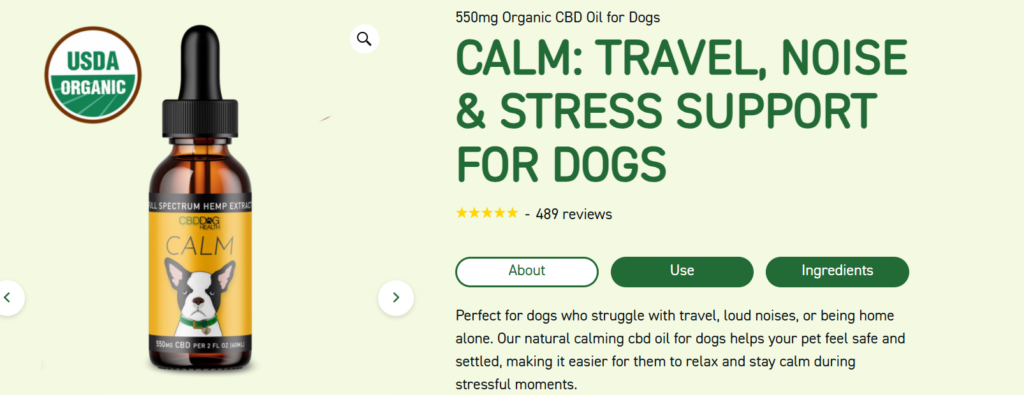
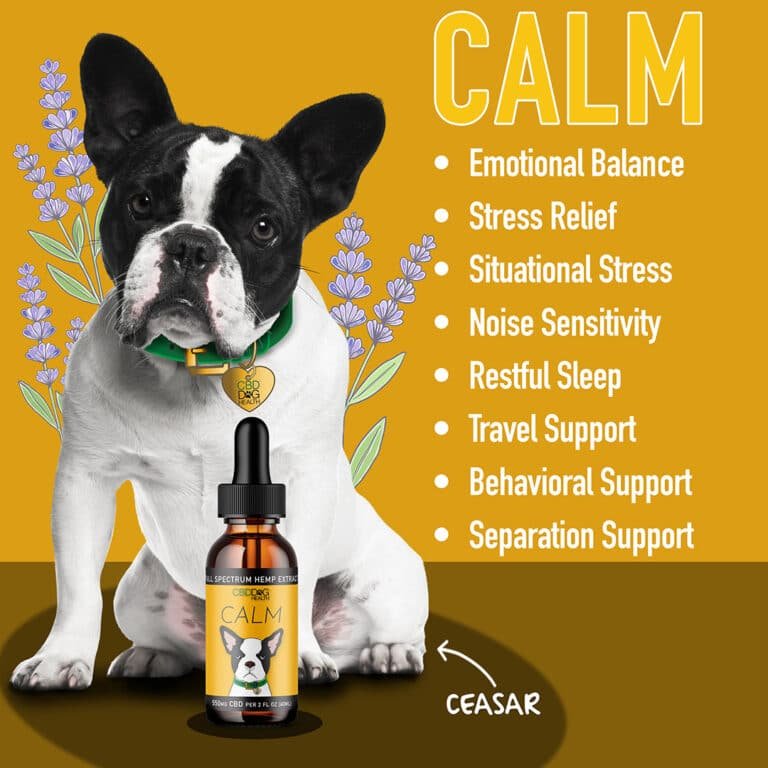
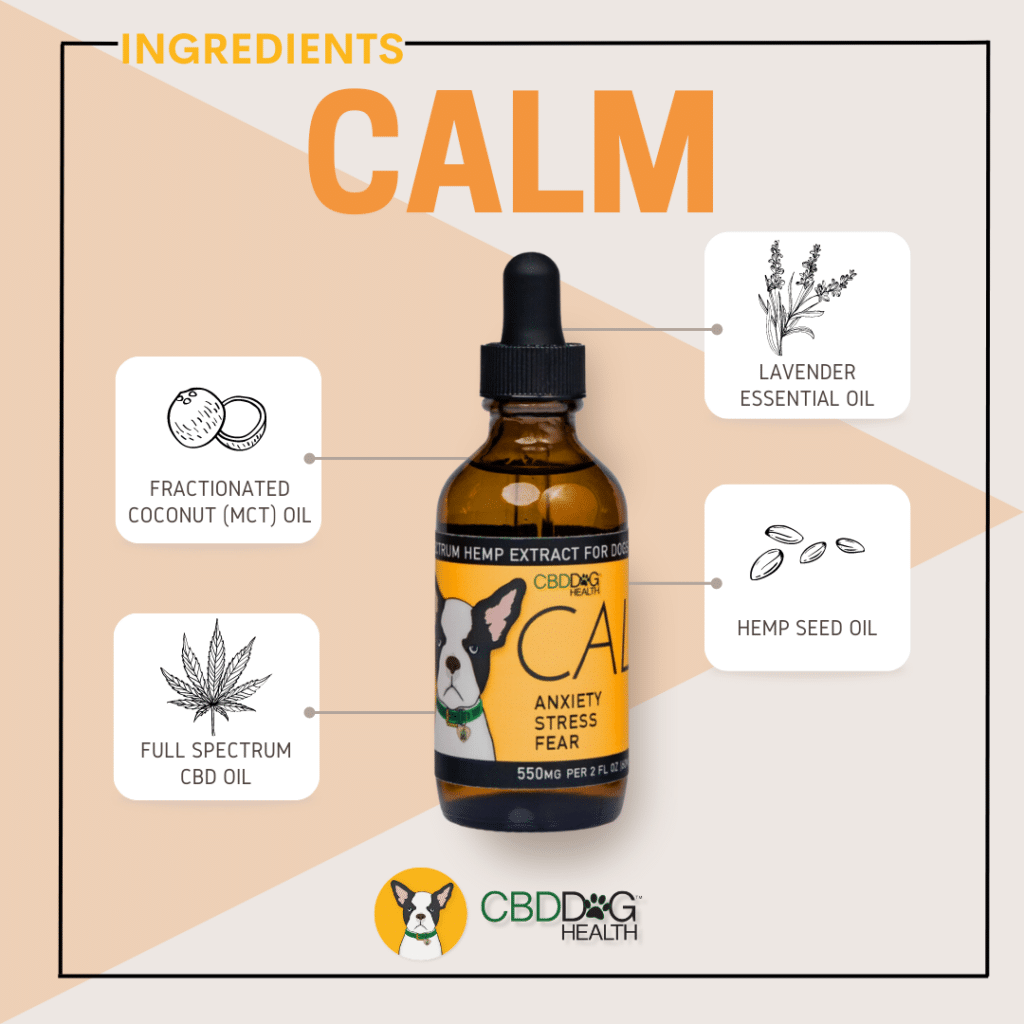
Support for anxiety, stress, separation issues, loud noises, travel, and dogs that struggle to settle
Some dogs do not just need training. They also need support while their nervous system learns how to calm down. That is where CALM can be a very helpful addition to a treatment plan, a behavior reset program, or a confidence-building program.
I like CALM for dogs that struggle with separation stress, nervous behavior, overstimulation, noise sensitivity, routine changes, and dogs that simply have a hard time settling their system down.
I usually suggest people start with CALM first before worrying about stronger versions. The goal is to support the dog while we do the real work through structure, timing, communication, and training.
This is a strong support option for dogs going through treatment programs, behavior reset programs, confidence work, separation work, and dogs whose nervous systems are just running too hot.